
info@hans-autism.com

2000 004 104 (20)+

بالتجمع الخامس شارع التسعين الشمالي خلف المستشفي الجوي الدور الثاني عياده ٢١٣, South Cairo, NY, Egypt


Contact us now

Send us an email

All rights reserved © Designed by Qeema Tech

It is based on extracts of natural, non-genetically modified plants and minerals. It is manufactured using the most precise methods to reach the smallest parts of the body. Homeopathy has been used for more than 240 years and is known in the European Union as safe and highly effective, and that it has a major role in treating autism
It treats autism problems in a profound and advanced way.
Treats problems related to brain injuries that are depicted by MRI.
It deals with genetic problems by providing the necessary amino acids, minerals, and nutrients.
It gives the child the ability to control hyperactivity resulting from brain dysfunction (excessive electricity in the brain – motor hyperactivity).
It helps eliminate the side effects of toxic vaccinations.
It helps in eliminating heavy metals from the body and from the brain in particular.
It improves intestinal permeability and provides the body with the amino acids, salts and vitamins it needs.
It helps eliminate harmful intestinal fungi and worms and the effect of toxins secreted from them inside the intestine, which attack brain cells after absorption into the blood.
Treatment with integrative medicine does not conflict with other biological and behavioral methods of treatment because it is a gentle and effective medicine extracted from natural plants and minerals, non-GMO. The choice of treatment depends on the specific symptoms of each patient and what appears in the context of the patient’s general health
The concept of integrative medicine treatment depends on what is appropriate for each case and which takes into account the mental, emotional and physical characteristics of the patient, which makes integrative medicine known as a holistic approach to healing.
Doctors who use integrative medicine use the least amount of medication to get the job done and give the lowest doses of medications to ensure the least potential for side effects. This is especially beneficial for our patients with autism spectrum disorders as many of them are generally very sensitive to medicationsIntegrative medicine medicines are known to be completely safe, non-allergic, non-toxic, and free of side effects. They are medicines extracted from natural, non-genetically modified plants and minerals by pharmacists specialized in this field, under strict guidelines set by the US Food and Drug Administration. Those who practice integrative medicine include general physicians, naturopaths, osteopaths, osteopaths, as well as trained professional integrative medicine therapists.The process of insight boils down to the physical, mental and emotional nature of the patient. The doctor chooses treatment only after conducting an interview and a set of specialized analyses. The treatment is done using the method known to doctors, which in our clinic is based on the idea of encouraging the doctor to provide only one treatment at a time.
We have worked with many patients with autism, as well as those with Asperger Syndrome and profound autism. Most of the children achieved some improvement, some of which were subtle, others were apparent, although there were some doubts about the diagnosis of some of the conditions. However, we have seen children suffering from delayed speech who began to speak, and those who Struggling with eye contact they begin to communicate aggressively. Many of them become more able to learn and interact in different social settings, and we have seen families begin to become comfortable dealing with their children and enjoy some quiet times and playing with them. Like most people who work with autism, we have also encountered some predictable failures.
Most of the autism patients we see are undergoing other treatments at the same time, from behavioral therapy to nutritional therapy, etc. It does not appear that treatment with integrative medicine may cause any conflict or interference. However, we do not prefer to start treatment with integrative medicine by participating in different clinical treatment methods due to the lack of data, information and research that determine the extent of the effect of each type of treatment on the other.
Regarding first aid and acute cases that affect people with autism (as well as any other person), the vast majority of cases do not have many options for pharmaceutical uses, but here in integrative medicine there are many options suitable for each case, examples of which are aconite, belladonna, pulsatella, and chamomile. , Sulfur, arnica, mercury, and arsenic. I really don’t know what it would be like to be a doctor and a mother if these items were not available in my medicine cabinet.Before giving prescriptions for treatment of symptoms associated with autism, I need to understand all the many aspects of the child. We are not satisfied with the specific diagnosis that the child is autistic, but we must know the child’s condition and problem in all the minute details. Through a personal interview that lasts for one to two hours. Asking questions, recording notes and interacting with both the patient and the guardian to understand things Small ones, for example what and how they eat and how they sleep; Things related to temperament and personality, such as how they react to new children or changes in routine. I need to understand what might excite them and what might calm them. Also pay attention to the mother’s pregnancy period and the first months For the child, his development as well as his experience in nursery or school. We try to establish the child’s medical history and understand him well. Naturally, we will observe the relationship between the parent and the child, the extent of their attachment, how they respond to each other, whether there is communication or not and how they communicate, and thus the optimal method of treatment will be developed based on all of the above.Parents often wonder what time frame to see the effects of treatment. We often see effects within that first week, but we prefer to wait at least four to six weeks before actually evaluating the prescribed treatment. This way, we can Seeing the effect more clearly given the treatment a chance to work. We have been treating children with integrative medicine for years and this allows us to address the physical, mental and emotional effects that arise with the various stresses of family life, school, hormones, etc. Some of our patients have amazing results in a short time, for others the course is not of the desired quality; This has to do with diagnosis Correct information about the condition, examining the genetic inheritance, other diseases that are also present, other treatments that are being tried, as well as other factors affecting the child.

It is treatment with essential medical aromatic oils, where there are 35 to 40 types of individual oils in addition to other mixtures that are prepared according to the most accurate scientific methods in the world and developed in Germany and America and are used by doctors specialized in aromatherapy and play a major role in treating autism:
Calms autistic children and improves mood.
It provides them with the necessary neurotransmitters to improve intestinal permeability and get rid of Candida and fungi.
Improving sensory and functional problems of brain cells.Benefits of aromatherapy for autistic patients
Essential oils have gained attention for their ability to support children with autism spectrum disorder (ASD) by treating symptoms such as anxiety, sleep disorders, and emotional disturbances. Although research is still in its early stages, anecdotal evidence and some scientific investigations suggest that some essential oils may provide relief to children with autism.
Calming and regulating emotionsEssential oils such as lavender, vetiver, and sandalwood are often highlighted for their calming effects, which can be especially beneficial for children with autism. These oils may help reduce anxiety and promote relaxation, making it easier for children to transition between activities or manage sensory overload. Lavender oil, known for its calming properties, is often used to improve sleep quality and reduce stress, which are common problems in children with ASD. Autism. Likewise, vetiver oil is known for its calming effects, which may help with concentration and reduce hyperactivity in children with attention-deficit hyperactivity disorder, a condition that sometimes occurs with autism (Journal of Autism Parenting, OSU Wexner Medical Center).
Improve sleep
Sleep disturbances are a common concern for many children with autism. Essential oils such as chamomile and sandalwood have been used to promote sleep by creating a soothing environment. A study conducted at OSU Wexner Medical Center looks at the effects of essential oils on sleep quality in Children with autism spectrum disorder, focusing on whether these oils can help smooth bedtime transitions and improve overall sleep efficiency. The study uses a double-blind methodology to test the effectiveness of essential oil mixtures, highlighting the importance of evidence-based research in this area (OSU Wexner Medical Center).
Possibilities available to reduce nervous breakdownsParents report that certain essential oils, such as frankincense and ylang-ylang, may help manage emotional outbursts and reduce the severity of nervous breakdowns. While these reports are largely anecdotal, they underscore the need for more research to explore how these oils may impact the emotional and behavioral challenges associated with autism (Journal of Autism Parenting).
Safety and precautionsDespite the potential benefits, it is important to approach the use of essential oils with caution. Not all oils are safe for children, and improper use can lead to harmful effects, such as skin irritation or problemsRespiratory system. It is recommended to consult a healthcare provider before introducing essential oils into a child’s routine, especially for those with additional medical conditions or who are taking medications (OSU Wexner Med Center).In conclusion, while essential oils may offer supportive benefits for children with autism, particularly in calming, improving sleep, and regulating emotions, more rigorous scientific research is needed to fully understand their effectiveness and safety. Parents and caregivers should consult healthcare professionals before using these oils as part of a broader therapeutic approach.Natural oils and their relationship with sensory integration
External stimuli stimulate the brain to reorganize the processes of cortical pathways. There are seven senses that transmit information to the brain, including the sense of smell. Taking into account that the sense of smell is one of the important and easy senses to deal with in training for children of special protests. This sense shows response and reactions to children without making any effort.
Each sense has its own rate of stimulation to produce a reaction, and when there is a disturbance in reception or interaction with it, symptoms of avoidance or seeking of stimuli appear in an unbalanced way to stimulate these stimuli in a positive or negative way.
“Sensory Profile 2, Winnie Dunn, PhD, OTR, FAOTA”
Natural oils deal with the senses of touch and smell to balance the apparent symptoms of a child who has sensory disorders. A sensory nutrition program is created using natural oils to help improve the child’s health and psychological condition.
Natural oils are highly concentrated compounds extracted from the roots, bark, seeds, flowers, or other areas of the plant. There are several ways to use it: aromatic, topical and internal. Follow-up is carried out with the consultant for natural oils, taking into account the evaluation of the senses to know how to use them according to the protests of each child.
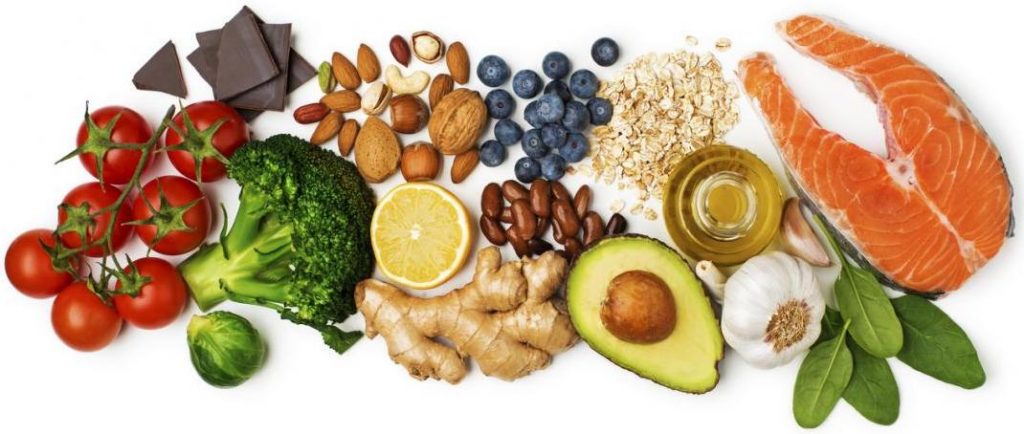
This department specializes in providing many specialized diets to treat cases of autism according to each individual case and according to the degree and type of improvement in food after conducting special analyses. It consists of seven stages supervised by specialists in the field of therapeutic nutrition for autism. It begins with simple stages with the child and develops according to the child’s condition. The role of therapeutic nutrition in treating autism:
It increases digestion and absorption, thus treating deficiencies of vitamins, minerals and amino acids.
Improve intestinal permeability.
Treatment of candida and fungi
Lifestyle and diet
Autism poses a significant health and economic burden on affected populations and caregivers, becoming an alarming global epidemic that requires increased attention and effort.
There is a need to understand the mechanisms involved in microbiome-brain interaction in the context of autism spectrum disorder. Neural, neuroendocrine, immune, and humoral pathways are potential mediators in the bidirectional communication between the gut microbiome and the brain.Maternal contribution plays an important role in determining the early microbiome of the offspring, while environmental factors that significantly alter the maternal microbiome during the prenatal and perinatal periods influence the microbial composition of the offspring. Abnormal transport and spread of pathogenic oral bacteria mediated by the olfactory nerve through the blood, disruption of the blood-brain barrier (BBB), and the perivascular space and periventricular organs to the intestine and brain, respectively, are plausible mechanisms leading to neuroinflammation and metabolic disturbance in the brain, suggesting the influence of oral microbiota and bacterial imbalance in the pathogenesis of ASD.
Another plausible exchange pathway in the gut-brain axis has an important role in the pathology of ASD. Overall, the interaction between the microbiome and the brain in the context of ASD involves a complex mechanism and interplay between various genetic and environmental factors, some of which can be explained by epigenetic mechanisms involving short-chain fatty acids (SCFAs) and brain-derived neurotrophic factors (BDNFs). .
The human intestine is the largest reservoir of bacteria in the human body that have essential physiological roles in metabolism, digestion, immunity, endocrine and neurological activities. The gut microbiome interacts closely with many human cells and any imbalance in the microbiome, known as microbial imbalance, will have an impact on key physiological processes of the host and has a potential causative role in many health conditions. The enormous potential for the presence of intestinal microbes in human health has led researchers to highlight the importance of recognizing them as an individual organ system in the human body ✨
An interesting association between gastrointestinal symptoms, intestinal mucus imbalance and gene expression, and autism spectrum disorder has been highlighted in a study that investigated the molecular mechanism involved in explaining gastrointestinal disorders in children with autism spectrum disorder. They encode disaccharides and hexose transporters responsible for carbohydrate digestion and transepithelial transport.Intestinal dysbiosis (pre-existing impairment of carbohydrate digestion and absorption is manifested in gastrointestinal disorders with dietary carbohydrate intake leading to fermentation, increased gas production and osmotic load in the intestines of children with autism spectrum disorder.
* Not eating enough food. Children with autism may have difficulty focusing on one task for a long period of time. It may be difficult for a child to sit down and eat a meal from start to finish.
* Constipation. This problem may be caused by a child’s limited food choices, low levels of physical activity or medications. It can usually be treated by gradually increasing sources of dietary fiber, such as bran cereals, fruits and vegetables, along with plenty of fluids and regular physical activity.
* Drug interactions. Some stimulant medications used with autism can reduce appetite. This can reduce the amount of food the baby eats, which may affect growth. Other medications may increase appetite or affect the absorption of certain vitamins and minerals. If your child is taking medication, ask your health care provider about possible side effects.
Nutritional intervention should be practiced with caution to avoid malnutrition and undernutrition. Vitamin D deficiency has been commonly reported in children with autism spectrum disorder, and low prenatal vitamin D has been associated with an increased risk of developing autism spectrum disorder.
Clinically, patients with ASD are managed by a multidisciplinary healthcare team primarily by a child psychiatrist, paediatrician, clinical psychologists and other physicians according to comorbidities, although with regular follow-up and monitoring✨
People with autism can experience increased sensitivity to light, touch, sound, and taste. This can affect the variety of foods they eat.
There are no differences in nutritional requirements for people with autism and a balanced diet is important for good health
People with autism tend to prefer things that are predictable, as this can help reduce anxiety. Although some types of eating disorders, such as food refusal, are also common in the general population, their prevalence appears to be much higher in children with ASD. Autism spectrum, where rates range from 51% to 89%✨
Some common nutritional considerations associated with autism are:
* The need for a routine around meal times. This could include specific seating for you and the people you are dining with, or specific cutlery and plates. You may want to eat alone
* Sensitivity to smells, sights and sounds at mealtimes can affect eating
* Intestinal disturbance, including constipation, diarrhea, and stomach bloating
* Food hypersensitivity (when the body reacts poorly to certain foods)
* Eat a restricted diet – a small number of foods that are similar in color and taste
* Make sure you have a consistent routine around activities and meal times. This may be reassuring and help reduce anxiety around mealtimes.
*Some people with autism may have special interests and can be used to help cope with any nutritional interventions.
* Awareness of sensory needs can be helpful in creating a calmer mealtime. This means reducing noise and odors at mealtimes.
* Change only one thing at a time. Trying or introducing similar foods can be helpful to increase the food range. Small changes, one at a time, are usually best.
* Increase the clarity of different foods. Increased awareness of food means that it has become more familiar. If your child has autism, have him participate in shopping or chopping vegetables if he’s happy with that, even if he’s not expected to eat them.
*Be patient. Taking small steps is important and may take time. If you are supporting someone with autism, offering lots of support and praise along the way helps.Children with autism spectrum disorder prefer foods with a high carbohydrate content, such as white bread, pizza, cakes, cookies, ice cream, or “fatty” foods. These foods are generally sweet, while on the contrary, bitter or sour tastes are frequently rejected. This preference can lead to a higher percentage Blood glucose and triglycerides, leading to weight gain and obesity, or endocrine disorders such as diabetes, not to mention tooth decay, as correct and consistent oral hygiene is not always possible✨✨
Children with ASD, due to false myths, are sometimes subjected to unintentional and dangerous dietary restriction protocols (e.g., casein and/or gluten-free) based on a non-evidence-based attempt to improve behavioral disturbances or gastrointestinal symptoms
For children with autism spectrum disorder, a nutritious, balanced eating plan can make a big difference in their ability to learn, how they manage their emotions and how they process information. Because children with autism spectrum disorder often avoid certain foods or have restrictions on what they eat, as well as have difficulty sitting down during mealtimes, they may not get all the nutrients they need.
If you have a child with autism spectrum disorder, try the following feeding strategies.
Be prepared to be picky
Many parents find that their children’s sensitivity to tastes, colors, smells and textures are the biggest barriers to a balanced eating plan. Convincing your child to try new foods – especially soft and slippery ones – may seem almost impossible. You may find that your child avoids certain foods or even entire food groups. One of the easiest ways to deal with sensory issues is to address them outside of the kitchen. Have your child visit the supermarket with you to choose a new food. When you get home, look for it Together online to find out where it grows. Then decide together how to prepare it. When you’re done, don’t worry if your child doesn’t want to eat it. Simply introducing yourself to new foods in a positive, stress-free way can ultimately help your child become a more flexible eater.Make mealtimes a routine
A child with autism spectrum disorder will have to work harder at mealtimes because a crowded kitchen, bright lights, and even the way the furniture is arranged are all potential stressors. Making meals as predictable and routine as possible can help. Serving meals at the same time every day is one of the simplest ways to reduce stress. In additionSo, think about what concessions you can make to make mealtimes easier. If your child is sensitive to lights, try dimming the lights or consider using lamps or candlelight with adult supervision instead of overhead light. Let your child choose a favorite food to include at each meal. Or let your child choose a favorite seat at the table.
Seek guidance on special diets
You may have heard that following a gluten- or casein-free diet can improve symptoms of autism spectrum disorder. Gluten is a type of protein found in wheat, rye and barley. Casein is a protein found in milk. Proponents of this diet believe that peoplePeople with autism suffer from “leaky gut,” which allows bits of gluten and casein to leak into the bloodstream and affect the brain and central nervous system. They believe this may lead to autism or amplify its symptoms. However, controlled scientific studies have not proven this to be true, so research at this time does not support the use of these diets. Put in Keep in mind that restrictive diets require careful planning to make sure your child’s nutritional needs are met. Consult a registered dietitian before making any drastic changes to your child’s meal plan as there may be side effects and potential nutrient deficiencies when prescribed a gluten- or casein-free diet.

Medical nutritional supplements necessary to treat autism, which contribute greatly to improving the general condition of children and compensating them for any deficiency of amino acids, minerals and vitamins during the disease, and also contribute greatly to improving the immune system in children.
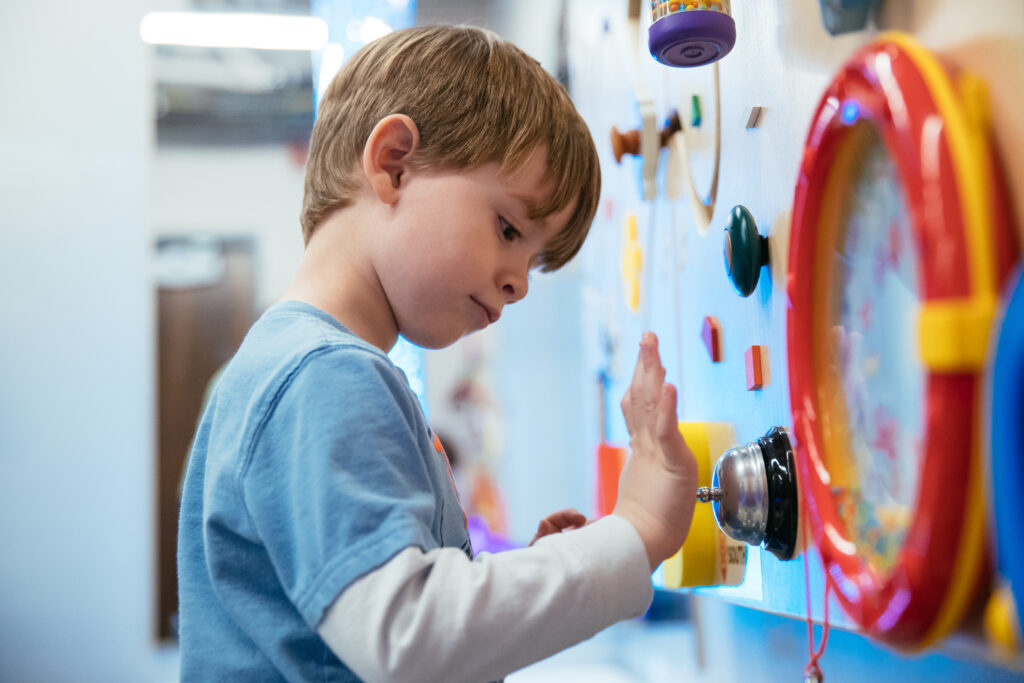
At The Hans Protocol, we focus on providing comprehensive care for children with autism, including treatment of conditions and comorbidities that may impact their development and health.
These conditions include increased electrical activity in the brain, which may cause epileptic seizures and neurological disorders, and Virgil X, a genetic disorder that causes developmental delays and intellectual disability.
Some children may also suffer from Down syndrome, which affects mental and physical development, or cerebral palsy, which affects movement and coordination as a result of brain damage.
Other conditions include hyperactivity, which affects concentration and behavior control, as well as learning difficulties, such as challenges in reading, writing, or mathematics.
Through an integrated treatment plan, the protocol improves the child’s life and provides the necessary support to deal with these challenges
01000000000000
01000000000000
01000000000000

يمكنك الدفع باستخدام بطاقة فيزا أو ماستر كارد الخاصة بك هنا.

يمكنك الدفع باستخدام خدمة إنستاباي الإلكترونية هنا.

يمكنك الدفع باستخدام خدمة فودافون كاش الخاصة بك هنا.
